This comparison is most useful when both cars look viable and you need the decision to break on charging, value, or day-to-day fit.
Comparison detail
The Ariya 87 kWh makes the stronger case if you value long-range family comfort and unusually strong 22 kW AC charging support, while the IONIQ 5 remains the clearer pick if your road-trip brief depends on consistently finding high-power DC chargers and you want the sharper 800-volt charging platform story.
| Spec | Nissan Ariya87 kWh 22kWCh | Hyundai IONIQ 5Long Range 84.0 kWh RWD |
|---|---|---|
| Price & cost | ||
| Price | Upper mid-market family crossover | Upper mid-market |
| Performance | ||
| 0–100 km/h | 7.6 s | 7.5 s |
| Top speed | 160 km/h | 185 km/h |
| Drive | Single motor FWD | Single motor RWD |
| Range & charging | ||
| Range | 528 km (WLTP) | 570 km (WLTP) |
| Efficiency | 6.1 km/kWh | 6.8 km/kWh |
| Battery | 87 kWh | 84 kWh |
| Fast charge (10–80%) | 45->360 km in 48 min on 150 kW CCS | 10-80% at 350 kW DC (263 kW peak, 196 kW avg) |
| DC charging (peak) | 130 kW | 350 kW |
| AC charging | 22 kW | 10.5 kW |
| Connector | CCS | CCS |
| Space & practicality | ||
| Boot space | 468 L | 520 L |
| Frunk | 0 L | 57 L |
| Length | 4595 mm | 4655 mm |
| Towing capacity | 750 kg | 1600 kg |
| Seats | 5 | 5 |
| Body style | Crossover SUV | Family crossover |
| Features | ||
| Vehicle-to-Load (V2L) | No | Yes |
| Heat pump | Yes | Yes |
| Verdict | ||
| Best for | FamiliesLong-distance commutersHome-charging households | FamiliesFast-charge road tripsDesign-led buyers |
| Verdict | Best for buyers who want long-range family-EV usability and unusually strong home or destination AC charging without stepping into premium-badge pricing. | Best for buyers who want family-crossover practicality with genuinely strong road-trip charging hardware rather than just headline battery size. |
| Spec source | View source | View source |
This comparison is most useful when both cars look viable and you need the decision to break on charging, value, or day-to-day fit.
Decision path
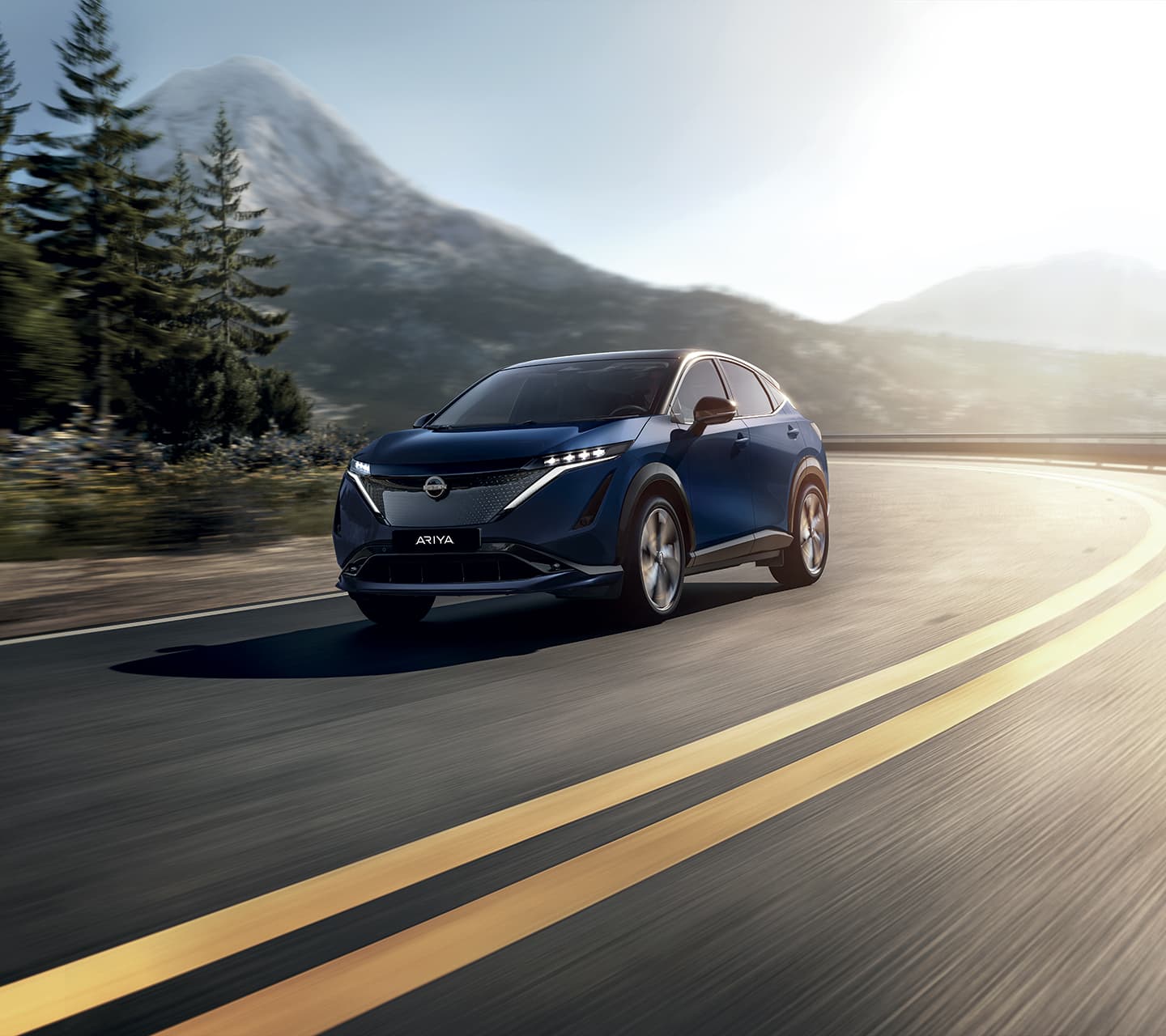
The Ariya 87 kWh 22kWCh gives Nissan's global EV lineup its clearest long-range family answer by combining the larger battery, stronger AC hardware, and a still-credible 130 kW DC ceiling in a calmer crossover package.
Useful if long-distance confidence matters most.
Charging convenience depends on the network near you.
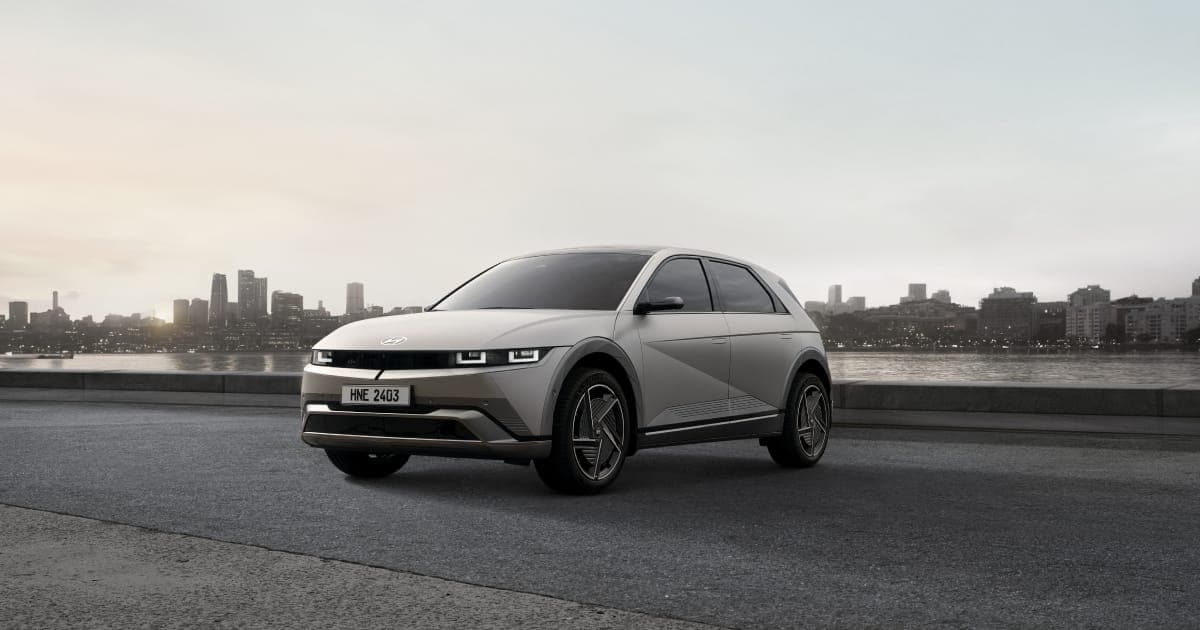
The updated IONIQ 5 remains one of the most complete family EVs because it pairs real WLTP range with ultra-fast charging, usable space, and a platform that still feels technically ahead.
Useful if long-distance confidence matters most.
Charging convenience depends on the network near you.
What tips the decision
What keeps it honest
Common questions
Choose the Ariya if you prioritise calmer family-EV comfort and strong home/destination AC charging; choose the IONIQ 5 if your purchase brief is built around faster DC road-trip recovery.
The biggest differences are these: The Ariya's 22 kW AC capability is a meaningful advantage for buyers with workplace or destination AC access; and The IONIQ 5's 800-volt architecture keeps it among the strongest mainstream EVs for rapid DC top-ups where 350 kW hardware is actually available.
The main tradeoffs are these: The Ariya is less about headline fast-charge theatre; its best case is everyday comfort plus AC convenience rather than being the fastest on a long motorway day; and The IONIQ 5's charging advantage depends on charger quality; on ordinary lower-power DC sites the gap shrinks materially.
Sources
Reviewed 2026-05-02
Next step
Other comparison pages
Browse the rest of the curated comparison pages for this market.