Your next steps
Vehicle profile
Nissan Ariya 63 kWh 22kWCh
The Ariya 63 kWh 22kWCh keeps the smaller-battery Ariya ownership brief but makes it easier to live with if you regularly use three-phase destination AC charging, because it can meaningfully shorten compatible wallbox sessions versus the 7 kW car.
Last verified 5 October 2026
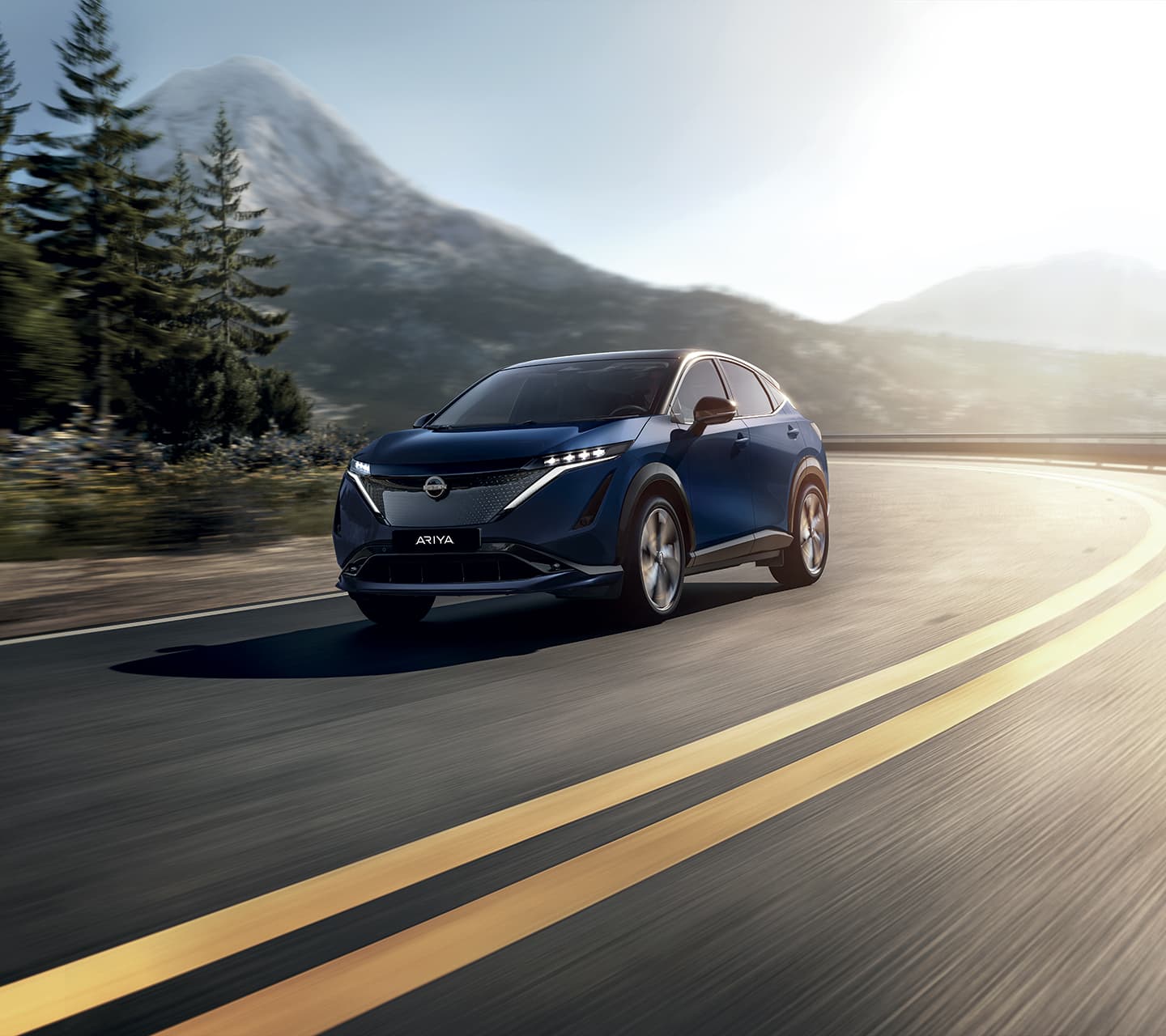
Nissan Ariya works best when buyers with regular workplace ac charging and predictable charging matter more than headline acceleration.
Ownership tools
Check the practical numbers for this EV before you shortlist it.
These previews stay short on purpose. The full tools keep the detailed inputs, but this page now shows what changes first when you move from interest to a real ownership decision.
Cost snapshot
760/yr
Using this EV's battery, range, and the cost calculator's starter inputs. Treat the amount as the same money unit you enter in the full tool.
Charging fit
Strong home-charging fit
Starter setup only: 9 hours of dedicated wallbox or level 2 charger charging gives this EV a 100/100 fit score. Use your real parking and install setup in the full tool.
Overnight recovery
~340 km/night
On the charging-fit tool's starter setup, this EV recovers about 59.9 kWh over 9 hours. Adjust the charger type and hours in the full tool.
Pros
What works in its favour
Best for buyers who want the entry-battery Ariya but rely on workplace or destination AC charging often enough to benefit from 22 kW hardware.
- Buyers with regular workplace AC charging
- Families who want calmer crossover comfort
- Owners who want faster AC top-ups without changing the battery size
Cons
What to watch before you buy
- Nissan stopped selling the 63 kWh Ariya in mid-2026 with no direct replacement — this page is for owners and used buyers.
- The 402 km range figure is a direct conversion from the 250-mile battery-range figure surfaced in the captured Carwow derivative listing, so treat it as a planning anchor rather than a motorway guarantee.
- The value case for the 22 kW onboard AC hardware depends on having access to compatible three-phase AC charging; on single-phase home setups it will behave more like the slower-charging trims.
Reviewed 2026-10-05
Specs that affect ownership
Focus on the numbers that actually change the experience.
On the WLTP cycle this EV is certified at 402 km. In everyday mixed driving, expect roughly 300–355 km (our estimate from the certified figure). How we estimate this.
| Spec | Value |
|---|---|
| Price & cost | |
| Price | Upper mid-market family crossover |
| Performance | |
| 0–100 km/h | 7.5 s |
| Top speed | 160 km/h |
| Drive | Single motor FWD |
| Range & charging | |
| Range | 402 km (WLTP) |
| Efficiency | 6.4 km/kWh |
| Battery | 63 kWh |
| Fast charge (10–80%) | 33->268 km in 40 min on 150 kW CCS |
| DC charging (peak) | 130 kW |
| AC charging | 22 kW |
| Connector | CCS |
| Space & practicality | |
| Boot space | 468 L |
| Frunk | 0 L |
| Length | 4595 mm |
| Towing capacity | 750 kg |
| Seats | 5 |
| Body style | Crossover SUV |
| Features | |
| Vehicle-to-Load (V2L) | No |
| Heat pump | Yes |
Spec figures checked against the published source.
Next comparisons
See where this EV wins and where it gives something up.
Nissan Ariya 63 kWh 7kWCh vs Nissan Ariya 63 kWh 22kWCh
These two variants share the same smaller-battery Ariya ownership brief, but the ownership feel changes if you rely on destination AC: the 22 kW car can materially shorten compatible workplace and three-phase wallbox sessions, while the 7 kW car is the simpler overnight-at-home option.
Verdict: Choose the 22 kW Ariya if you will regularly use workplace or destination AC and want shorter AC sessions; choose the 7 kW Ariya if your charging is mostly overnight at home and you want the simplest ownership brief.
Nissan Ariya Shiro 63 kWh vs Nissan Ariya 63 kWh 22kWCh
Both cars share the smaller 63 kWh Ariya battery and the same calm crossover ownership brief. The difference is use case: Shiro is the simpler entry-trim fit for overnight home charging, while the 22 kW car is better if workplace or destination AC charging is part of the routine.
Verdict: Choose Shiro if the lower-trim Ariya package covers your needs and charging mostly happens at home. Choose the 22 kW derivative if compatible destination AC charging is common enough to save real time.
Explore more
Other ways buyers narrow this shortlist.
Common questions
Frequently asked about the Nissan Ariya 63 kWh 22kWCh
Is the Nissan Ariya 63 kWh 22kWCh worth buying?
Best for buyers who want the entry-battery Ariya but rely on workplace or destination AC charging often enough to benefit from 22 kW hardware.
Who is the Nissan Ariya 63 kWh 22kWCh best for?
Best fits include: Buyers with regular workplace AC charging, Families who want calmer crossover comfort, and Owners who want faster AC top-ups without changing the battery size.
What should I watch out for with the Nissan Ariya 63 kWh 22kWCh?
The main caveats are these: Nissan stopped selling the 63 kWh Ariya in mid-2026 with no direct replacement — this page is for owners and used buyers; The 402 km range figure is a direct conversion from the 250-mile battery-range figure surfaced in the captured Carwow derivative listing, so treat it as a planning anchor rather than a motorway guarantee; and The value case for the 22 kW onboard AC hardware depends on having access to compatible three-phase AC charging; on single-phase home setups it will behave more like the slower-charging trims.
What is the real-world range of the Nissan Ariya 63 kWh 22kWCh?
Expect roughly 300–355 km in everyday mixed driving (our estimate from the certified figure). The certified figure is 402 km on the WLTP cycle.
Sources
Where these facts come from
Next step