Snapshot
What is live for Tesla right now
5 vehicles • 5 reviews • 13 comparisons
3 used-EV guides • Updated 2026-05-15
Brand hub
Start here when Tesla electric cars are already on your shortlist and you want every live model page, review, comparison, and used-EV guide in one place before you decide which car deserves the next hour of research.
It groups together the live pages already published for Tesla electric cars. Every linked page carries its own sources and review dates.
Snapshot
5 vehicles • 5 reviews • 13 comparisons
3 used-EV guides • Updated 2026-05-15
Recommended next stops
Vehicles
Open the vehicle profile when you want the verdict, key tradeoffs, charging context, and official source links in one place.
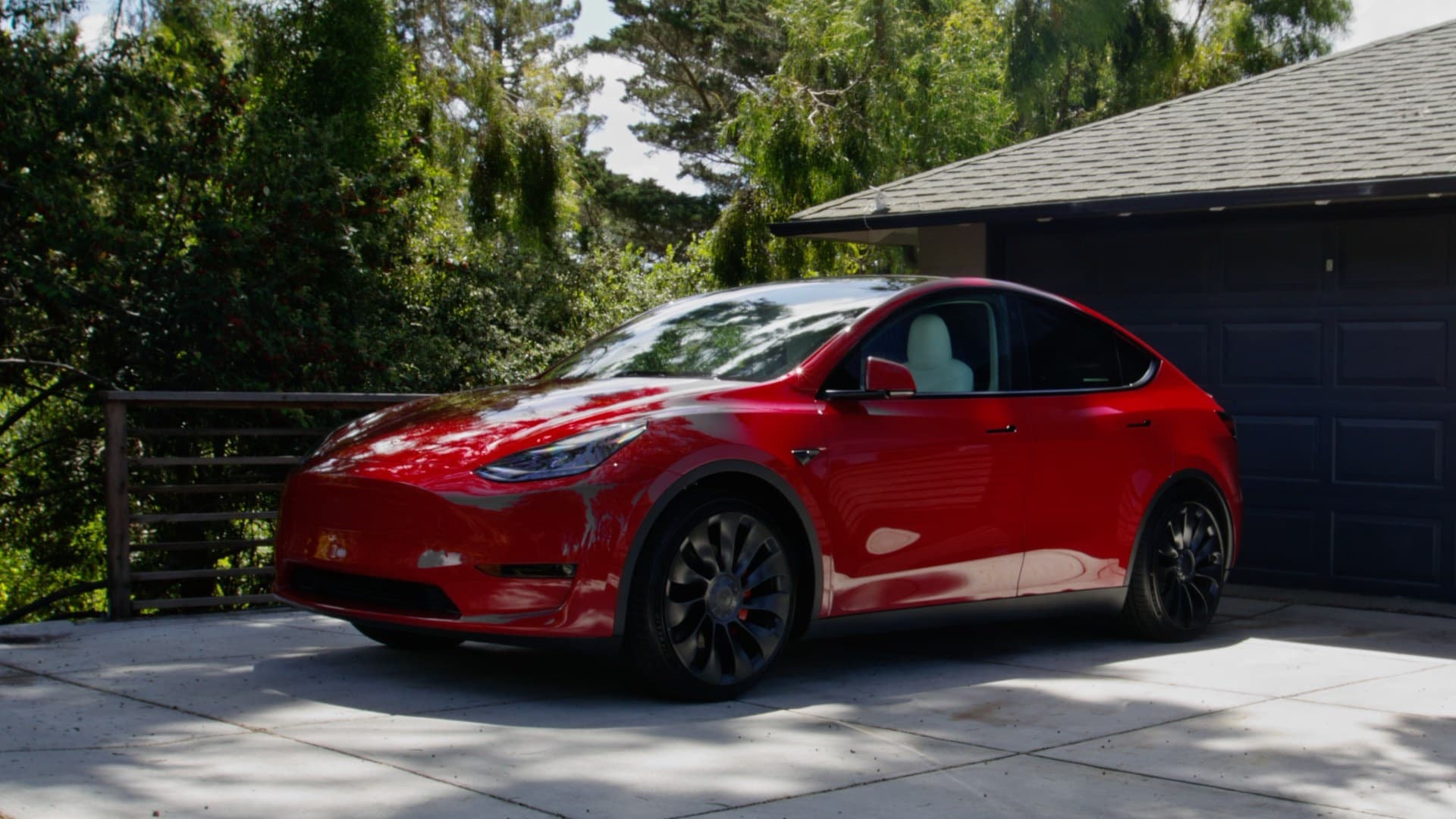
The current Model Y Long Range AWD remains one of the easiest global family-EV recommendations because it pairs 600 km WLTP range, fast charging, practical cargo space, and Tesla's charging-network advantage.
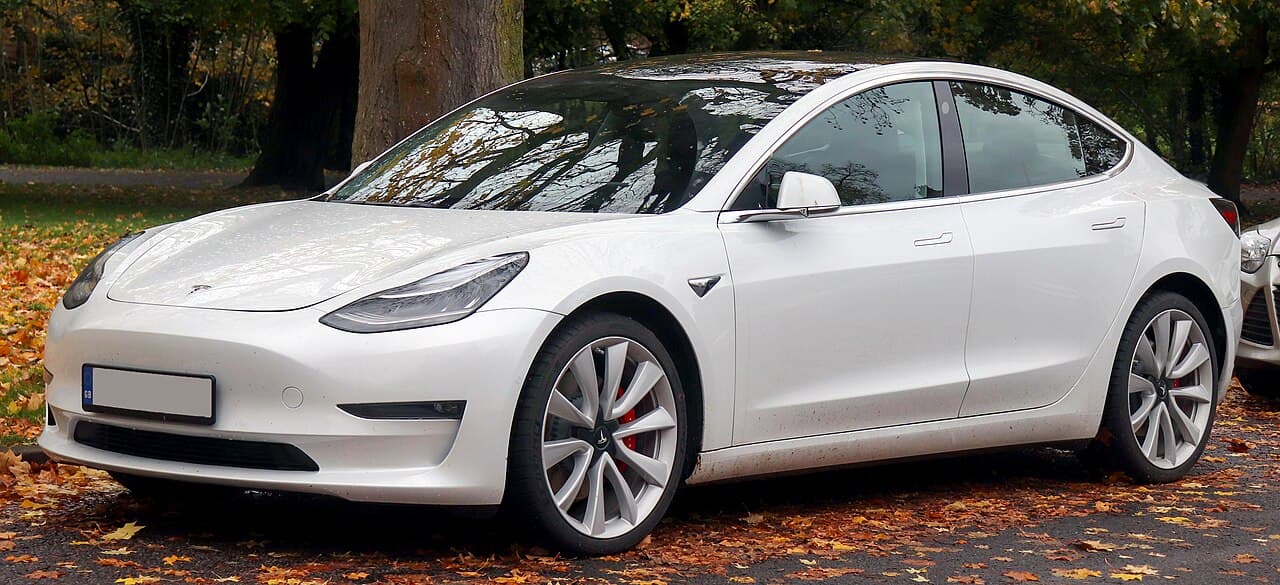
The current Model 3 Long Range AWD is still one of the strongest efficiency-and-charging plays for buyers who want sedan range headroom without stepping into flagship-EV pricing.
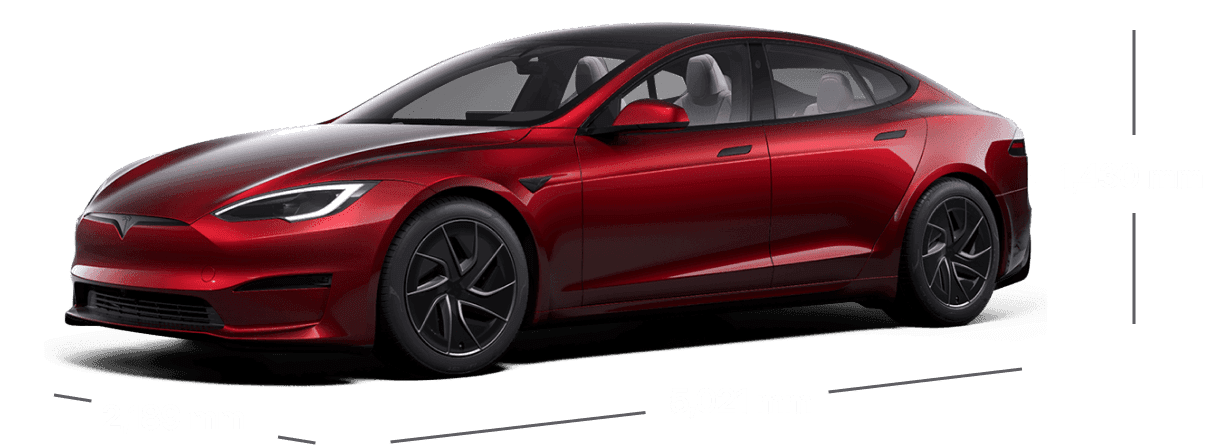
The Model S Dual Motor remains Tesla's long-range flagship sedan play, combining a 744 km WLTP claim, 250 kW Supercharging, and serious straight-line pace.
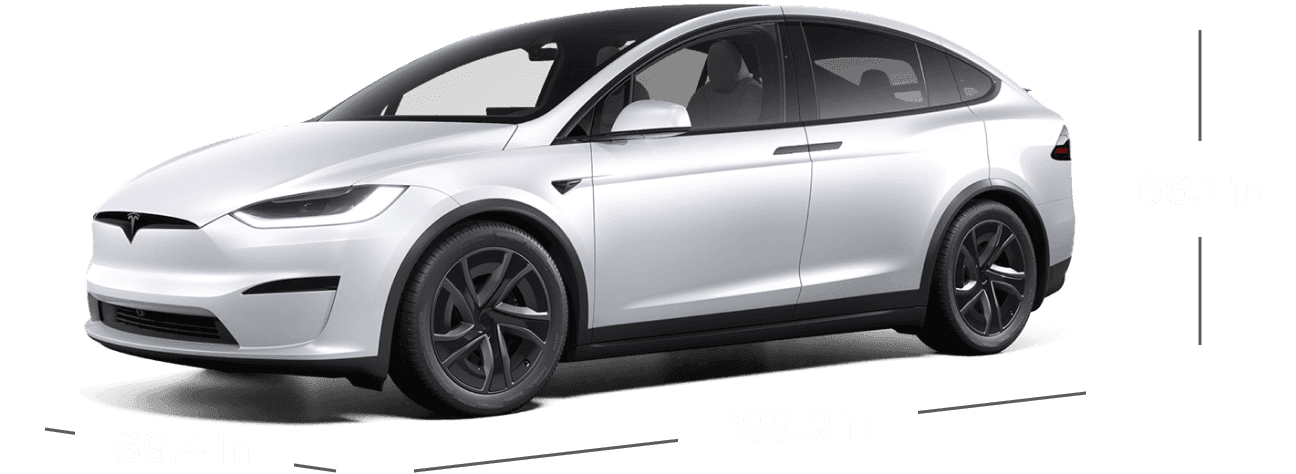
The Model X Dual Motor keeps Tesla's three-row flagship formula alive with strong EPA range, 250 kW charging, and space for buyers who want SUV practicality without leaving the brand ecosystem.
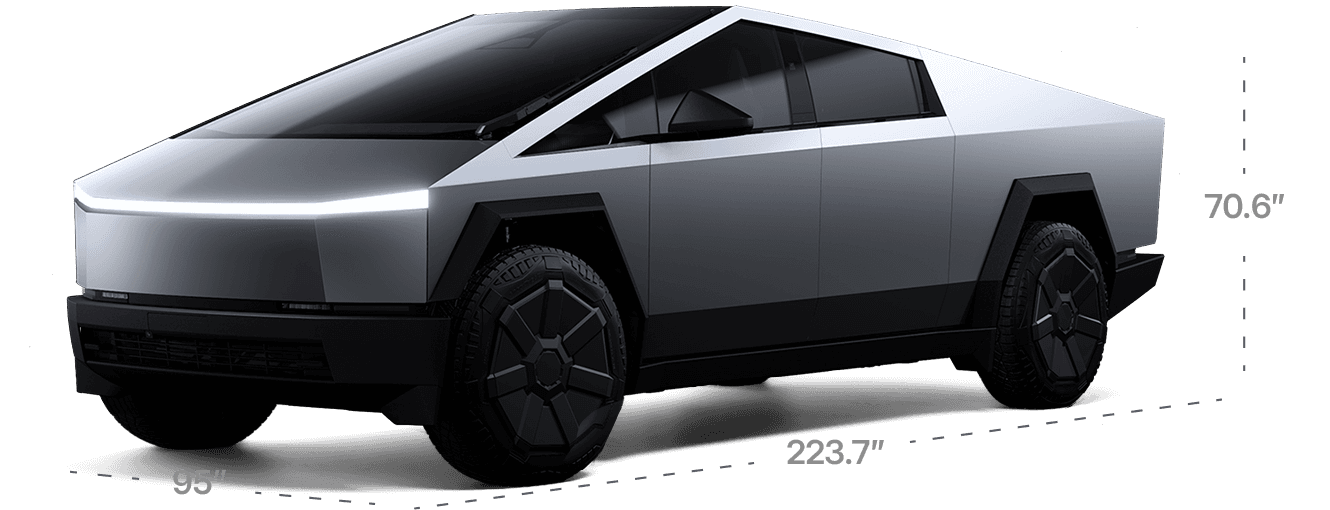
The Cybertruck Premium All-Wheel Drive turns Tesla's software-and-charging ecosystem into a full-size electric pickup proposition with 325 kW charging and serious towing hardware.
Reviews
Reviews are where the shortlist gets sharper: buyer fit, charging reality, and the ownership tradeoffs that matter after the brochure stops sounding impressive.
The Model Y Long Range remains the strongest single answer when a buyer asks for the least-compromise EV in the mainstream segment. Supercharger access, proven real-world range, and a roomy cabin combine into an ownership experience that is genuinely easier than most alternatives. It is not the cheapest choice and the ride quality is firm, but for most buyers the tradeoffs are clearly worth it.
The Model 3 Long Range is the benchmark efficiency and charging experience in the premium saloon class. The 2024 Highland refresh improved interior quality noticeably and the range remains class-leading. Buyers who can accept the touchscreen-only controls and want the best charging network in the segment will not find a more capable package at the price.
The Model S Dual Motor still makes the strongest case for buyers who want a long-range flagship EV without giving up day-to-day ease. It remains brutally fast, the range headroom is still one of Tesla's biggest advantages, and the Supercharger network keeps road-trip planning simpler than most luxury alternatives. The weakness is familiar by now: at this price, some buyers will still expect a richer cabin and more obvious luxury theatre than Tesla delivers.
The Model X remains one of the few EVs that can genuinely cover premium-family duty without feeling compromised on range or charging. The Tesla ecosystem still simplifies long-distance use, the straight-line pace is absurd for something this large, and the cabin can handle real seven-seat work better than most electric SUVs. The tradeoff is that it still asks buyers to accept theatre, size, and price that only make sense if they really need this much Tesla-shaped utility.
The Cybertruck Premium AWD is compelling only when the brief is honest. If you genuinely want an electric pickup with serious towing, cargo utility, and Tesla's charging ecosystem, it does something few EVs can. If you simply need an expensive family EV, the case weakens quickly because the size, truck compromises, and styling are all harder to justify in ordinary passenger-car use.
Comparisons
Use the edited comparisons when two models survive the shortlist and you need the tradeoffs stated plainly.
Choose the Model 3 if charging convenience and efficiency dominate your decision; choose the Seal if equipment value and comfort matter more.
Choose the Model Y for space, charging confidence, and broader capability; choose the Kona Electric for a simpler, lower-cost EV ownership step.
Choose the Model Y for flexibility and family use; choose the Model 3 if you want the more efficient, more sedan-like Tesla ownership experience.
Choose the EV6 if charge-stop speed and design matter more; choose the Model Y if you want the lower-friction ownership and broader family utility play.
Choose the EV9 only if you genuinely need three-row room and large-family flexibility; choose the Model Y if you want the easier, more efficient all-round family EV.
Choose the i4 if cabin polish and premium driving feel matter more; choose the Model 3 if efficiency and charging convenience lead the decision.
Choose the Sealion 7 if equipment value and charging hardware matter more; choose the Model Y if ecosystem confidence and easier ownership matter more.
Choose the Model S if range, charging convenience, and Tesla ecosystem logic matter more; choose the e-tron GT if design, charge-stop speed, and a more special grand-tourer feel matter more.
Choose the Model X if Tesla charging access and flagship pace matter more; choose the EV9 if you want the more straightforward three-row family EV with a calmer everyday brief.
Choose the Cybertruck only if you genuinely want an electric pickup; choose the Model X if you want the more practical and lower-drama Tesla for daily family use.
Choose the EX90 if comfort, safety image, and conventional luxury-SUV execution matter more; choose the Model X if Tesla ecosystem pull and stronger performance matter more.
Choose the Polestar 4 if design and premium feel matter more; choose the Model Y if charging-network confidence and outright practicality matter more.
Choose the Model Y if charging convenience and practical family packaging lead your shortlist; choose the Ariya e-4ORCE if you want AWD composure and 22 kW destination charging capability in a calmer-feeling crossover.
Common questions
The Tesla electric cars covered on EVMotorworld are: Tesla Model Y, Tesla Model 3, Tesla Model S, Tesla Model X, Tesla Cybertruck. Each one has a live model page with a plain-language verdict, key specs, charging notes, and source links.
Claimed range across the Tesla electric lineup spans 523 km (Tesla Cybertruck Premium All-Wheel Drive, EPA) to 744 km (Tesla Model S Dual Motor, WLTP). Real-world range is typically lower — each model page shows a realistic band.
The Tesla Model S Dual Motor leads the Tesla lineup with a claimed 744 km (WLTP) from its 100 kWh battery.
Used EV guidance
These guides are where battery risk, inspection steps, and used-buying questions get spelled out more clearly.
The battery is the most expensive part of a used EV and the hardest to replace. Checking it properly before you buy is the single most important step in used EV ownership.
Inspecting a used EV is different from inspecting a petrol or diesel car. The checks that matter most are the battery, charging hardware, and software state — not the engine.
The Model 3 is one of the most common used EVs globally and one of the most predictable to buy second-hand — if you know what to check and which variants to prioritise.